


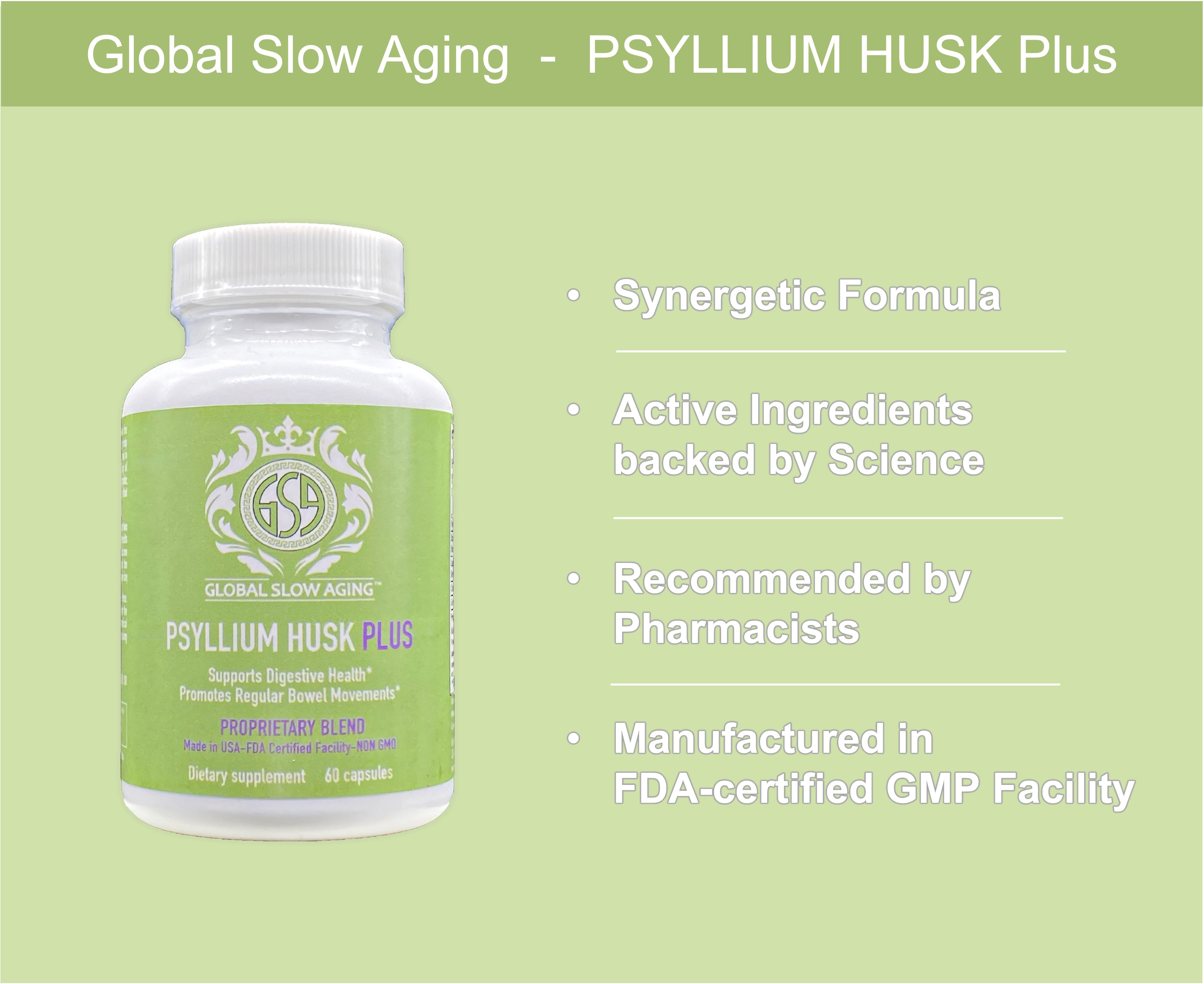
GSA Psyllium Husk Plus
PSYLLIUM HUSK PLUS is a proprietary blend containing Psyllium husk as a source of soluble fiber derived from the seeds of the Plantago ovata plant that may help improve overall bowel function. It may also aid in weight management by promoting a feeling of fullness and reducing appetite. Our synergistic formulation also contains several detoxifiers that may help eliminate toxins from the body.*
Main Health Benefits*
- Supports Digestive Health
- Promotes Regular Bowel Movements
How to Use It
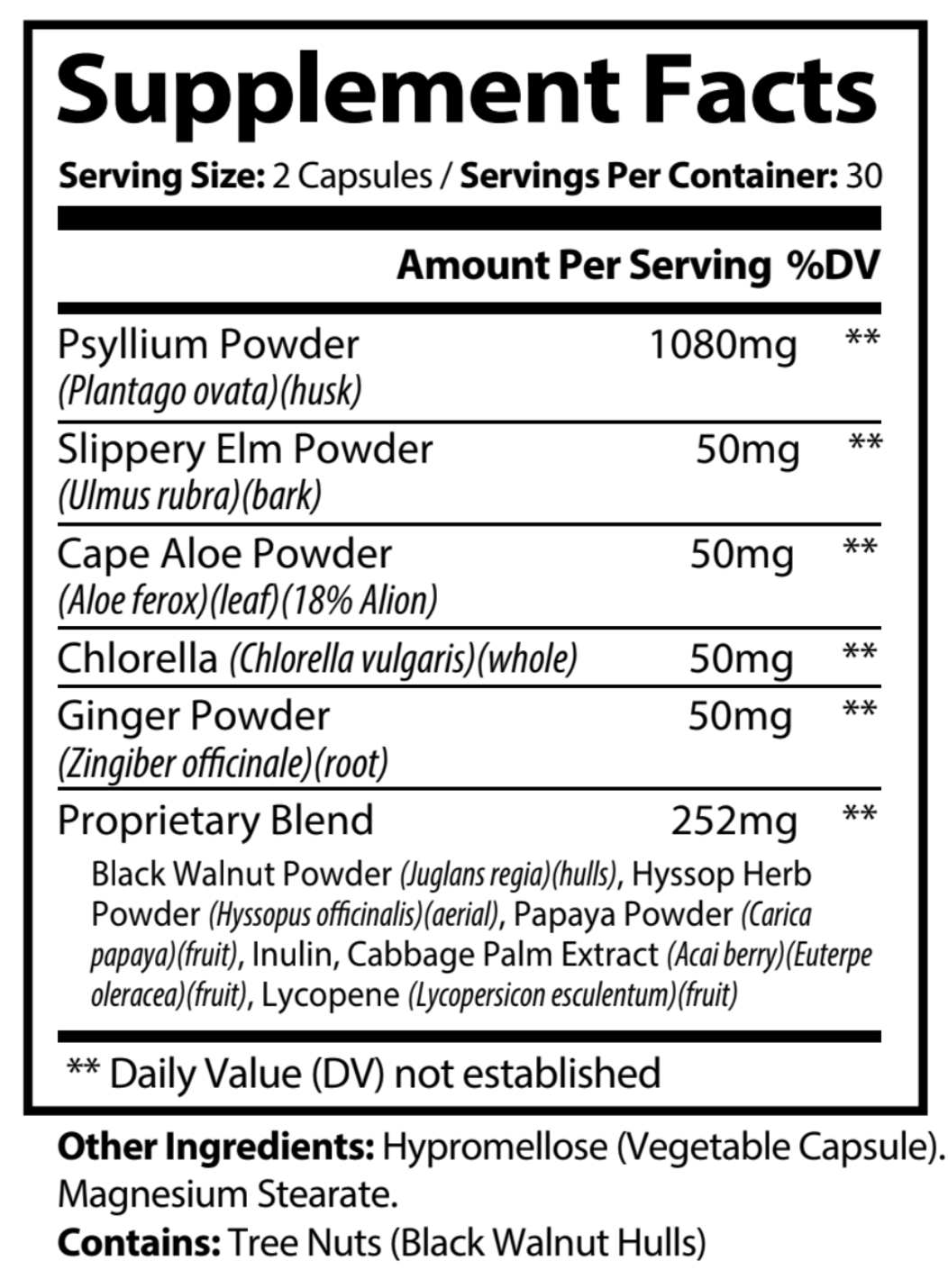
As dietary supplement, take 2 capsules once a day. For best results, take 1 veggie capsule during the day and 1 veggie capsule in the evening. Repeat the process daily. Do not exceed 2 capsules per day.
* These statements have not been evaluated by the Food and Drug Administration. This product is not intended to diagnose, treat, cure or prevent any disease.
Choose options

Recommended by scientists phd

FDA certified facility

Good manufacturing practice

made in the united state of america

online secure payments
DISCLAIMER
The research cited below reflects published studies conducted on similar active ingredients used in this product. However, these studies were not performed on this product itself. We cite this research for educational purposes, to highlight the scientific basis behind our ingredient selection, and not to imply that this product will necessarily replicate these results.
KEY ACTIVE INGREDIENTS

Psyllium (Plantago ovata)
Psyllium husk provides a highly soluble, gel‑forming arabinoxylan fiber that absorbs water, increases stool bulk and softness, and slows nutrient absorption in the small intestine, helping maintain comfortable, regular bowel movements and overall digestive health. Randomized controlled trials in adults with irritable bowel syndrome or constipation show that daily psyllium improves stool frequency and consistency, reduces abdominal symptoms, and increases stool water, effects linked to shifts in short‑chain fatty acid–producing gut bacteria (e.g., Faecalibacterium and Roseburia) (Bijkerk et al., 2009; Jalanka et al., 2019). Psyllium’s viscous gel increases gastric distension and delays gastric emptying; a triple‑blind cross‑over study in healthy women found that a Plantago ovata seed preparation enhanced post‑meal fullness and reduced fat intake, while reviews and clinical data in overweight adults describe increased satiety, lower spontaneous energy intake, and modest weight‑management benefits when psyllium is added to calorie‑controlled diets (Turnbull & Thomas, 1995; Mane & Mhasalkar, 2025). Beyond bowel regularity and appetite control, contemporary reviews highlight psyllium’s ability to bind bile acids and cholesterol in the gut, support a more favorable microbiota and short‑chain fatty acid profile, and thus contribute to cardiometabolic health as part of a fiber‑rich “detox” strategy for the intestinal milieu (Kassa et al., 2024; Biesiada et al., 2025).*

Cape aloe (Aloe ferox)
Cape aloe contains anthraquinone glycosides, chromones, and polysaccharides that act primarily in the large intestine, where they increase colonic motility and intestinal water content, supporting occasional relief of constipation and promoting regular bowel movements. Comprehensive reviews of the Aloe genus note that A. ferox has long been used as “Cape aloe” for laxative and digestive preparations, with aloe‑derived anthraquinones stimulating peristalsis while polysaccharides contribute soothing, barrier‑supportive and prebiotic effects in the gut (Salehi et al., 2018). The same constituents show antioxidant, anti‑inflammatory and metabolic activities in preclinical models, including modulation of glucose and lipid metabolism, suggesting a supportive role for Aloe leaves in broader metabolic “detoxification” concepts when used intermittently and at appropriate doses; toxicology reviews emphasize that A. ferox leaf extracts are generally well tolerated in short‑term use but may cause organ stress with chronic high‑dose intake, underscoring the importance of moderated, formulation‑level use (Nalimu et al., 2021).*

Chlorella (Chlorella vulgaris)
Chlorella is a unicellular green microalga particularly rich in plant proteins, chlorophyll, carotenoids (e.g., lutein, β‑carotene), omega‑3 fatty acids, B‑vitamins, and cell‑wall polysaccharides that together provide fiber, pigment antioxidants, and mineral‑binding capacity (Mendes et al., 2024). Clinical trials and meta‑analyses in adults report that Chlorella supplementation can lower total and LDL cholesterol, modestly improve blood pressure and fasting glucose, and enhance antioxidant status, outcomes that support healthy metabolic function and complement fiber‑driven weight‑management and cardiometabolic benefits (Fallah et al., 2017; Sherafati et al., 2022; Lee et al., 2010). Randomized trials in healthy adults also show increased natural killer cell activity and elevations in interferon‑γ and interleukin‑1 (Kwak et al., 2012), while broader reviews describe Chlorella’s capacity to bind and facilitate excretion of persistent organic pollutants and heavy metals and to reduce oxidative and inflammatory stress, supporting its role as a nutrient‑dense, chlorophyll‑rich “detoxifying” component within multi‑ingredient formulas (Bito et al., 2020; Panahi et al., 2015).*

Ginger root (Zingiber officinale)
Ginger root provides phenolic compounds such as 6‑gingerol and 6‑shogaol that modulate digestive motility, neurotransmitter signaling, and inflammatory pathways, giving ginger a long history of use for nausea, indigestion, bloating, and overall gastrointestinal comfort. Systematic reviews and meta-analyses of randomized clinical trials conclude that orally consumed ginger reduces nausea and vomiting across settings, can improve dyspepsia and indigestion scores, and exerts small but significant benefits on blood pressure and glycemic control — mechanisms directly relevant to digestive well‑being and metabolic health (Nikkhah Bodagh et al., 2018; Crichton et al., 2022; Diakos et al., 2023). Human trials and mechanistic reviews focused on obesity and metabolic syndrome indicate that ginger may support weight‑management efforts by modestly enhancing thermogenesis and fat oxidation, improving insulin sensitivity, and influencing appetite‑regulating pathways, with some studies in overweight populations reporting reductions in body weight and subjective hunger when ginger is used adjunctively with dietary strategies (Wang et al., 2017; Ebrahimzadeh Attari et al., 2017). In addition, ginger’s well‑characterized antioxidant and anti‑inflammatory effects — shown in meta‑analyses to improve glutathione peroxidase activity, total antioxidant capacity, and lipid peroxidation markers — reinforce its contribution to a formula designed to be rich in botanical “detoxifiers” that help the body manage reactive species and metabolic by‑products (Mao et al., 2019; Morvaridzadeh et al., 2021).*

Experience the Power of Ethnopharmacology in Traditional Medicine